About Multi Stage Plate Heat Exchanger
A
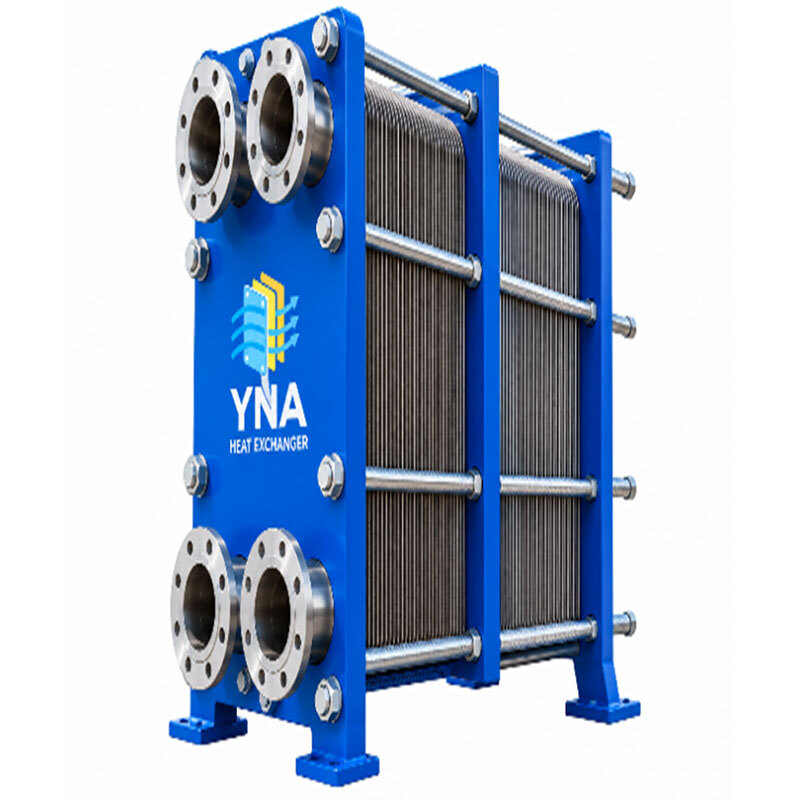
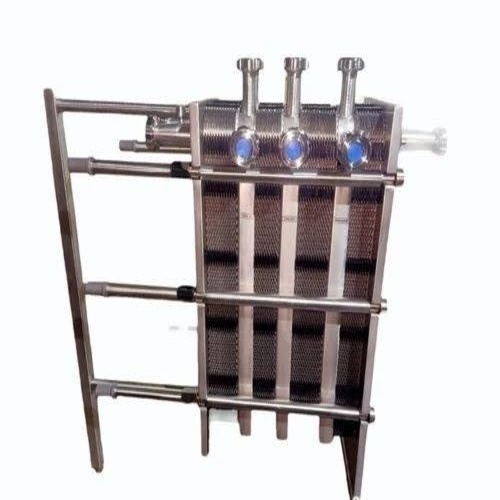
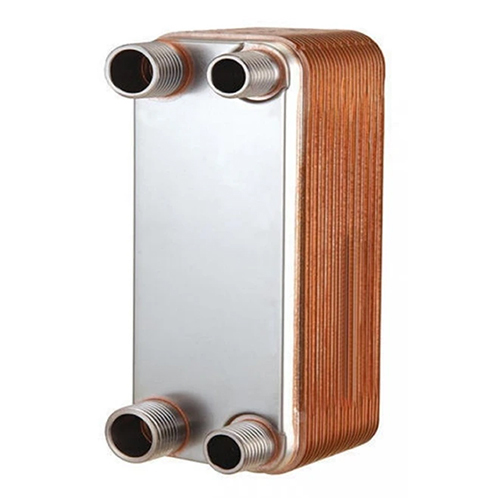
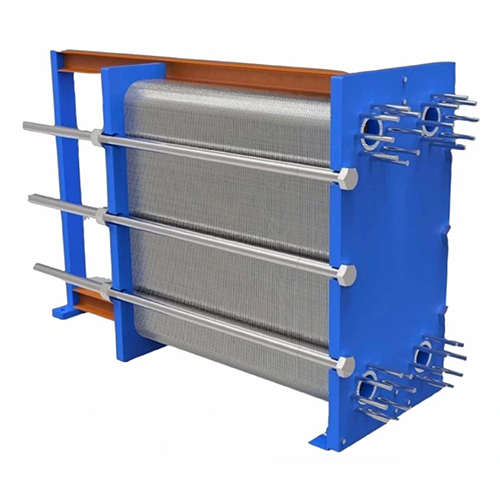
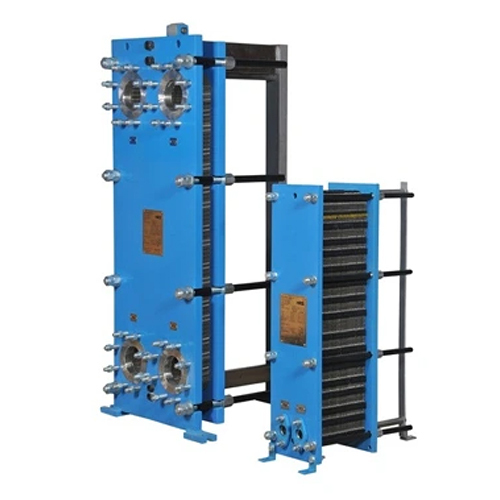
Multi Stage Plate Heat Exchanger (MSPHE) is an advanced thermal transfer system designed to handle multiple heating and cooling stages within a single compact unit. It consists of specially designed corrugated heat transfer plates arranged in multiple sections to achieve precise temperature control, high thermal efficiency, and optimized heat recovery.
Customizable for Diverse Industrial ProcessesYNA's Multi Stage Plate Heat Exchanger adapts to a wide array of process demands, supporting various numbers of stages, customizable flows, and plate materials for enhanced chemical compatibility. Each unit is assembled to customer requirements, ideal for handling fluids under differing temperatures and pressures typical in dairy, beverage, and condensate industries.
Durable Construction and Efficient OperationDesigned with high-quality stainless steels, titanium plates, and resilient gasketing materials, this plate heat exchanger delivers consistent, energy-efficient heat transfer. The robust frame ensures long service life, while modular plate design allows for straightforward maintenance and scalability as your process develops.
Ease of Installation and IntegrationWith options for threaded or flanged connections and flexible sizing from 1" to 8", the unit is optimized for seamless installation into existing or new process lines. Floor mounting, user-centric dimensions, and a clear YNA branding guarantee quality, safety, and ease of use for installers and operators alike.
FAQ's of Multi Stage Plate Heat Exchanger:
Q: How does the Multi Stage Plate Heat Exchanger work in industrial processes?
A: The heat exchanger transfers thermal energy between fluids via closely packed plates, allowing efficient heat exchange across multiple stages. The stage count and plate arrangement are tailored to specific process requirements, ensuring optimal performance in applications like dairy, beverage, and condensate handling.
Q: What materials are available for plates and gaskets, and how do I choose?
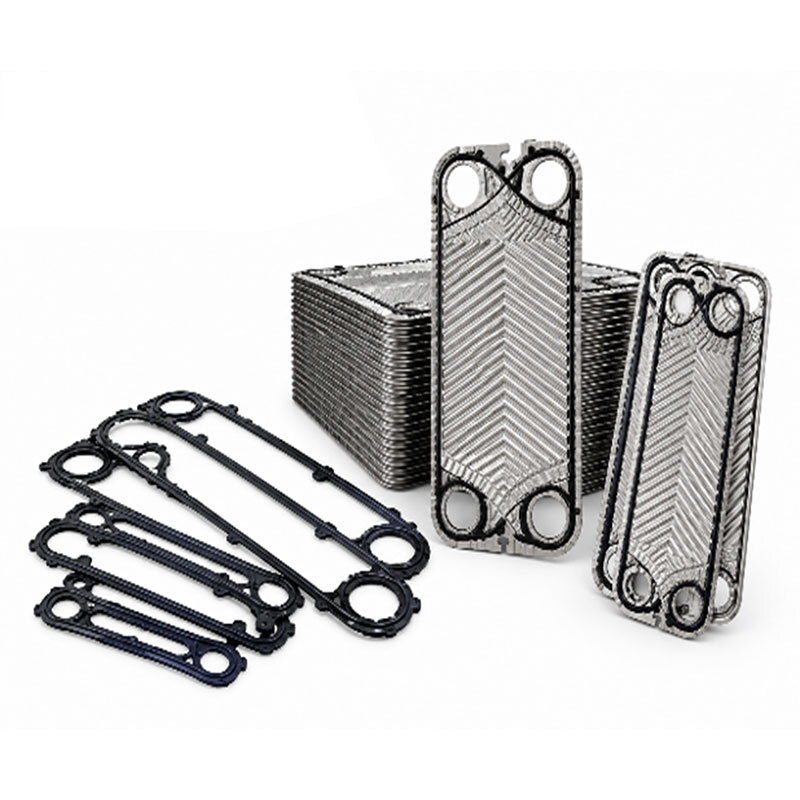
A: Plates are offered in SS304, SS316, or Titanium for varied chemical resistance. Gasket options include NBR, EPDM, and Viton, selected based on compatibility with the fluids and operational temperature. This flexibility ensures the exchanger meets corrosion resistance and durability needs for diverse industrial environments.
Q: Where can the Multi Stage Plate Heat Exchanger be used?
A: This product is suitable for any process industry application, particularly in the dairy, beverage, and condensate sectors, where precise heat transfer is critical. Its robust construction and adaptable design make it a versatile choice for plants throughout India.
Q: What is the process for selecting the right model for my requirements?
A: Provide details such as required liquid flow rate, fluid type, temperature, and pressure conditions. Our support team will recommend the appropriate number of stages, plate and gasket configuration, and connection type, ensuring the best fit for your application.
Q: What are the main benefits of using this plate heat exchanger?
A: Key benefits include high thermal efficiency, compact modular design, easy maintenance, and the ability to tailor the unit to particular process needs. These features result in lower operational costs, space-saving installation, and rapid return on investment.
Q: How is the Multi Stage Plate Heat Exchanger installed and maintained?
A: Installation involves floor mounting the exchanger and connecting via threaded or flanged joints. Maintenance is simplified by the plate-and-gasket assembly, which allows quick disassembly for cleaning or plate replacement without major downtime.





 Send Inquiry


 Send Inquiry
