About PHE Plates and Gaskets
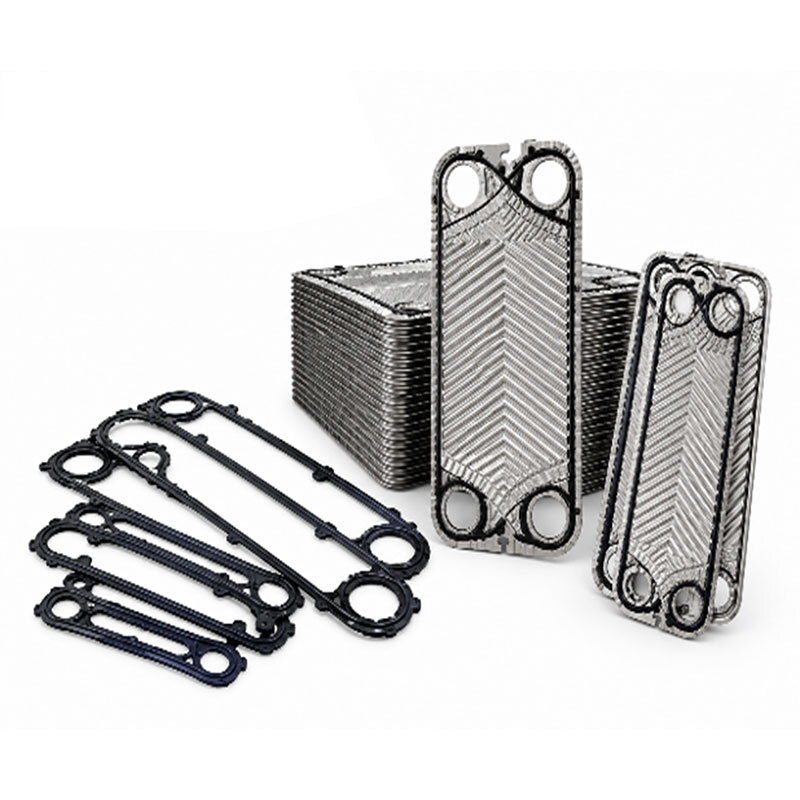
We keeps stocks for Plates and Gaskets for all models i.e, M3, M6M, M6B, M10M, M10B, M15B, M15M, TL6, V10P, V15P, V16P, V10TP, V20P, V20D, V26D, V40P, V40D, V45D, V45P, GXP42, GXD42, GC30, GC009, GLD13, GC16, GX18, VT04, VT10, VT20, NT50M, NT50T, NT50X, NT100T, NT100X, NT100M
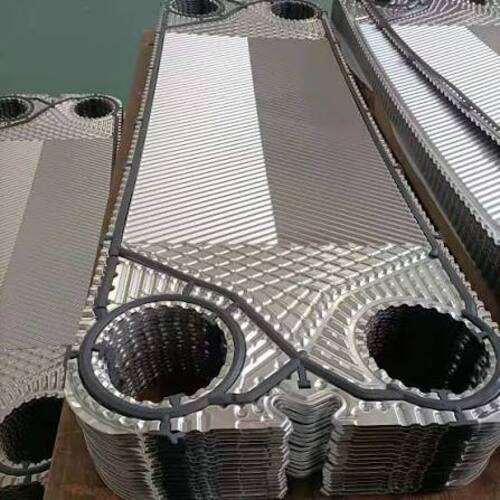
Superior Materials for Lasting PerformanceCrafted from high-quality metals like SS304, SS316, SS316L, Titanium, and SMO 254, these PHE plates deliver strong resistance to corrosion and chemical attack. This selection ensures reliable heat transfer efficiency and longevity, even when exposed to aggressive media. The plates are precisely manufactured to match each Plate Heat Exchanger model, facilitating optimal thermal performance and operational safety.
Customizable Solution for Every ApplicationWhether your system requires standard or bespoke surface finishes, plate thickness, or special gasket materials, our versatile range provides tailored solutions. Custom sizes and designs are available to match unique operational requirements, supporting industries from energy to food processing. This adaptability makes our PHE plates and gaskets ideal for replacement during scheduled service and maintenance.
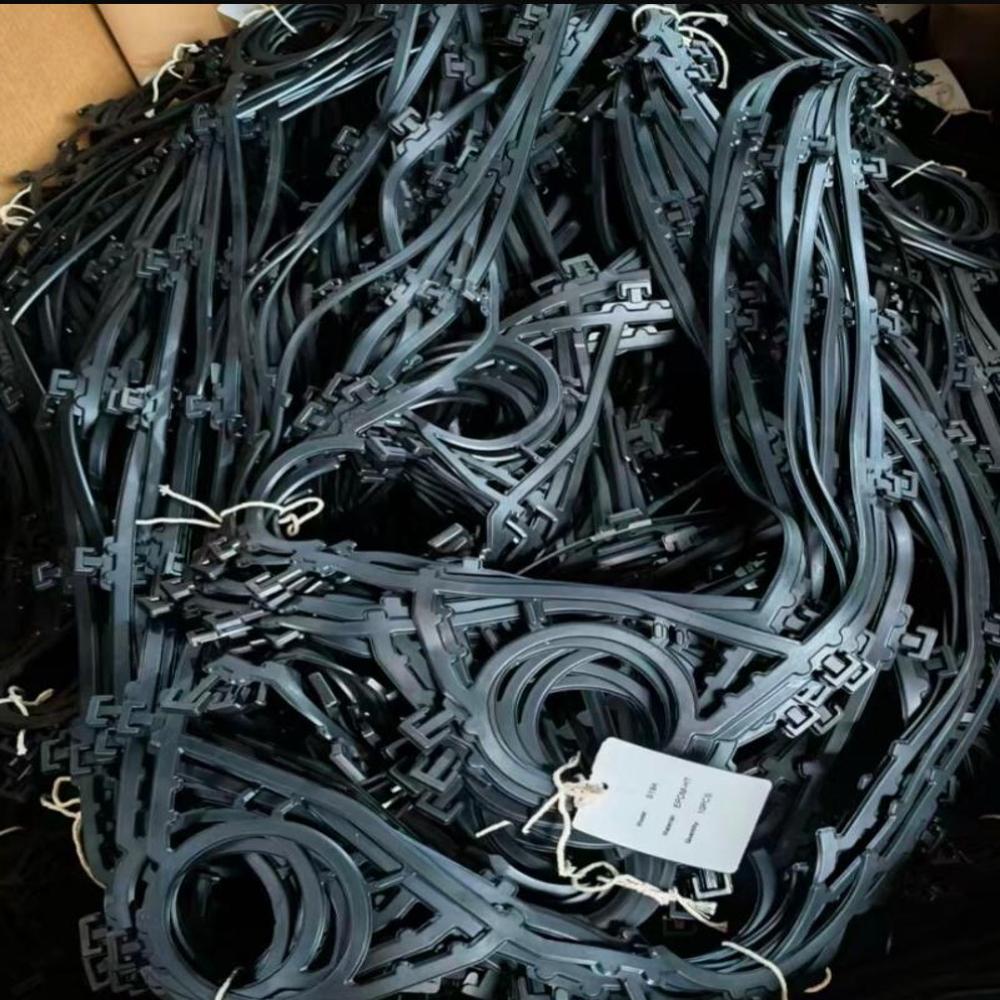
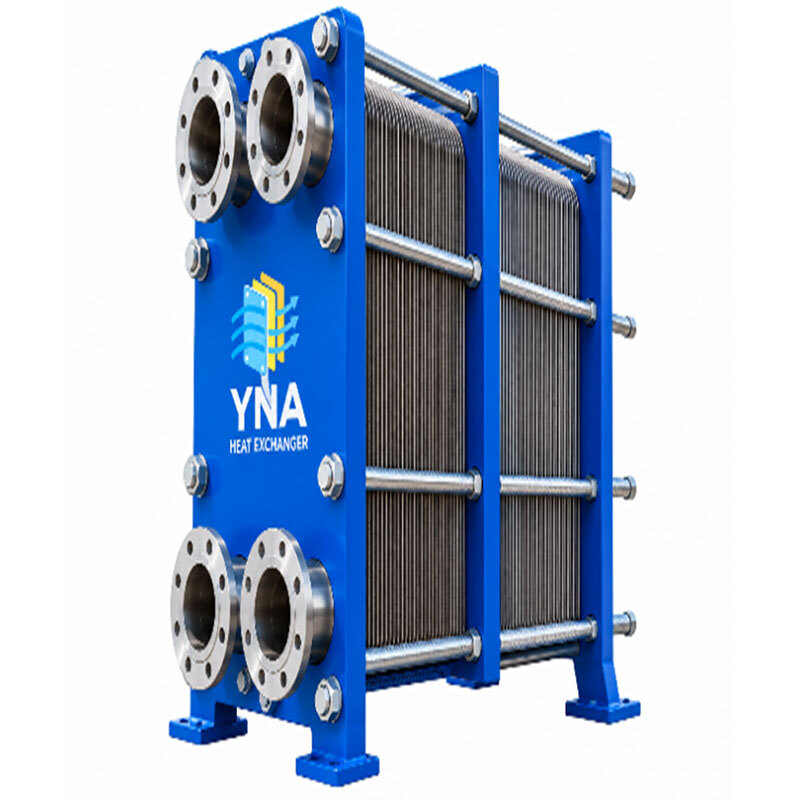
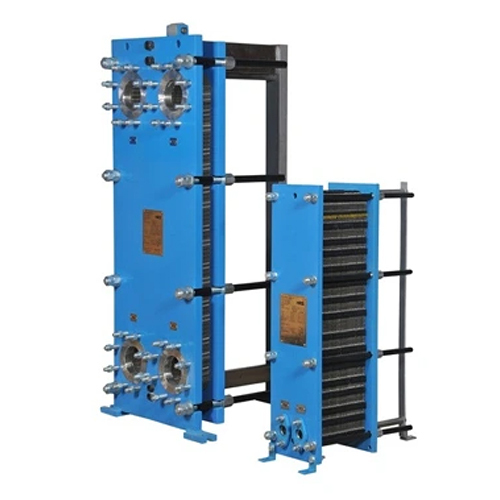
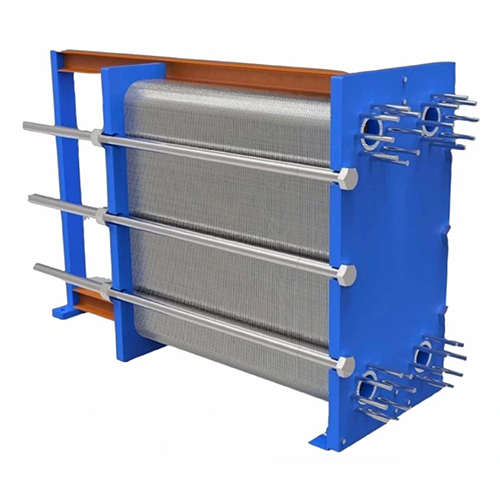
Quick Installation and Easy MaintenanceUtilizing a modular stackable design, our gasketed plate assemblies streamline both installation and maintenance procedures. Gaskets in EPDM, NBR, or Viton offer compatibility with various fluids and operating conditions. Our products are designed for plug-and-play replacement, reducing downtime and increasing efficiency during service interventions.
FAQ's of PHE Plates and Gaskets:
Q: How do I select the appropriate material for PHE plates and gaskets?
A: The choice of material-such as SS304, SS316, SS316L, Titanium, or SMO 254-depends on the specific process fluid, operating temperature, and required corrosion resistance. For highly aggressive or corrosive environments, titanium or SMO 254 may be preferable. Our technical team can help you determine the most suitable material based on your application parameters.
Q: What is the process for replacing PHE plates and gaskets?
A: Replacement involves disassembling the heat exchanger, removing old plates and gaskets, and installing new ones of the correct size and material. Thanks to the modular and stackable design, the process is efficient and user-friendly. Ensure that the new gaskets are compatible with your operating temperatures and fluids for optimal performance.
Q: When should I consider replacing my PHE plates or gaskets?
A: It is recommended to inspect plates and gaskets during scheduled maintenance or if you notice decreased heat transfer efficiency, leaks, or increased pressure drop. Regular replacement extends the operational life of your plate heat exchanger and maintains process reliability.
Q: Where are these PHE plates and gaskets typically used?
A: They are widely used across various industries in India, including HVAC, chemical processing, food and beverage, pharmaceuticals, and power generation. Their high corrosion resistance and customizable design make them suitable for a broad range of heat transfer applications.
Q: What gasket material options are available and what are their benefits?
A: You can choose from EPDM, NBR, Viton, or gasket materials based on specific requirements. EPDM is excellent for hot water and steam, NBR suits oil-based fluids, and Viton offers outstanding resistance to aggressive chemicals. Selection depends on process fluid, temperature range, and pressure conditions.
Q: How does the plate pattern affect heat exchanger performance?
A: Plate patterns like herringbone or chevron enhance turbulence, resulting in improved heat transfer efficiency. These patterns also help minimize fouling and maintain consistent performance over time. Selection depends on the type of fluids and required thermal performance.
Q: What are the benefits of using customizable PHE plate and gasket assemblies?
A: Customizable assemblies offer flexibility, ensuring a precise fit for your heat exchanger model. They contribute to higher operational efficiency, reduced maintenance time, and longer service life, ultimately resulting in lower operational costs and minimal process downtime.





 Send Inquiry


 Send Inquiry
